·4 min read·By Duceva Editorial
Getting Around Taipei Without a Car: MRT, Bus & YouBike Guide
A practical guide to navigating Taipei car-free using the MRT, bus network, and YouBike share, plus tips on EasyCard and transit etiquette.
Taipei Without a Car: An Overview
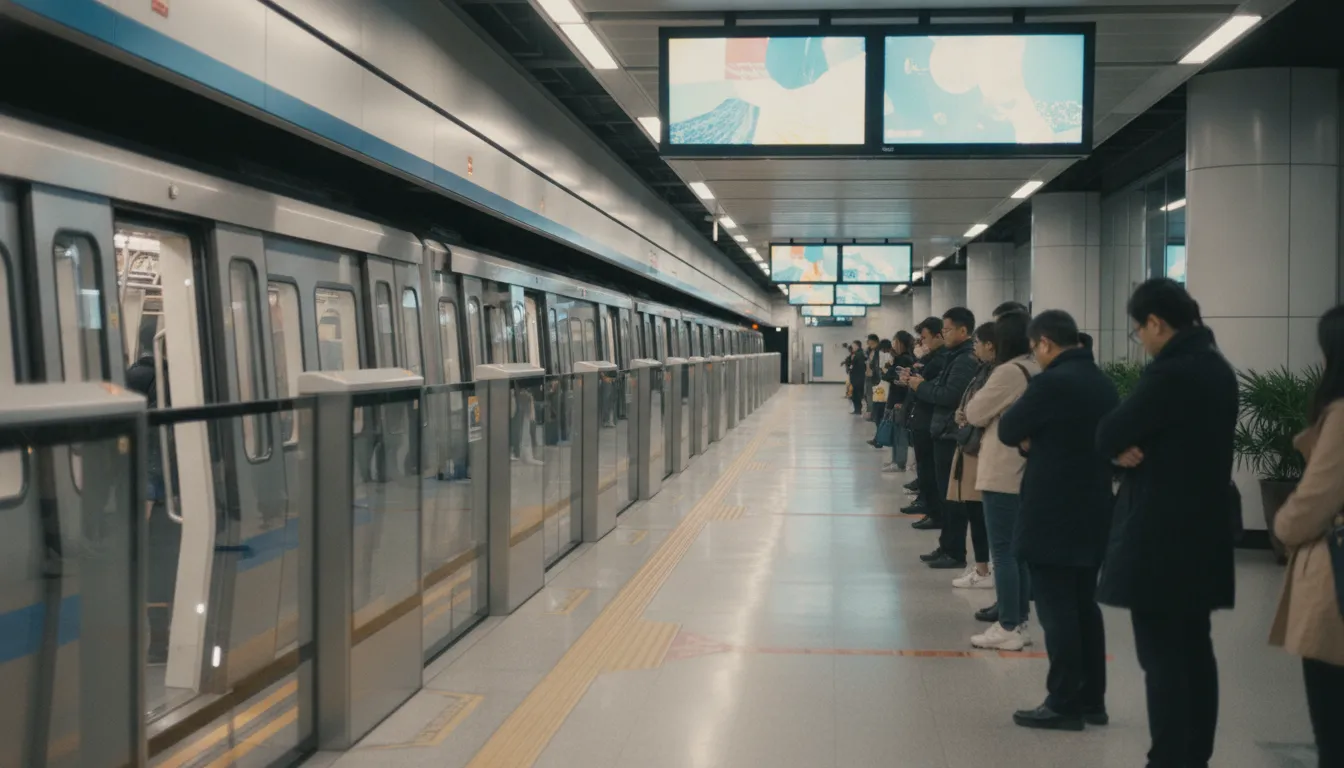
Taipei is one of Asia's most transit-friendly cities, with a dense, reliable, and affordable public transportation network. For visitors and residents alike, getting around without a car is not only feasible but often the fastest and most convenient option. The city's integrated system combines a modern metro (MRT), an extensive bus network, and a bike-sharing program called YouBike, all accessible with a single stored-value card.
The MRT: Taipei's Metro Backbone
The Taipei MRT (Mass Rapid Transit) is the backbone of the city's public transport. It consists of multiple lines—including the Wenhu (Brown), Tamsui-Xinyi (Red), Songshan-Xindian (Green), Zhonghe-Xinlu (Orange), Bannan (Blue), and Circular (Yellow) lines—that connect major neighborhoods, landmarks, and transport hubs. Trains run frequently from early morning until around midnight, with announcements in Mandarin, English, and sometimes Taiwanese and Hakka.
Stations are clean and well-signposted, and most have elevators and escalators for accessibility. Fares are based on distance and are deducted automatically when you tap out at your destination. The MRT is particularly useful for reaching popular areas such as Taipei Main Station, Ximen, Taipei 101, and Shilin Night Market.
The Bus Network: Reaching the Last Mile
Taipei's bus system fills in the gaps left by the MRT, covering almost every corner of the city. Buses are numbered and color-coded, with route maps displayed at stops. Most buses have digital displays showing the next stop, and many announce stops in English as well as Mandarin. Fares are typically charged per segment, and you can pay with an EasyCard or exact change (coins only; the driver does not give change).
Using the bus requires a bit more attention than the MRT, as routes can be complex. Apps like Google Maps or local transit apps provide real-time arrival information and route planning. When boarding, tap your EasyCard on the reader near the driver; when alighting, tap again if the route requires it (some buses charge on entry, others on exit, and some on both).
YouBike: Short Trips and Fresh Air
YouBike is Taipei's public bike-sharing system, with docking stations scattered throughout the city. It's ideal for short trips, especially in areas like the riverside paths or between MRT stations and your final destination. Bikes are available 24/7, and the first 30 minutes are often free or heavily discounted when using an EasyCard (though policies can change, so check current rates).
To use YouBike, you need an EasyCard registered with the system. Registration can be done at the kiosk at any YouBike station or online. When you rent a bike, it unlocks from the dock; when you return it, make sure it clicks securely into an empty dock and wait for the confirmation beep. YouBike stations can fill up during peak hours, so plan accordingly.
Getting and Using an EasyCard
The EasyCard is a rechargeable smart card that can be used on the MRT, buses, YouBike, and even at some convenience stores and parking facilities. It's the key to seamless travel in Taipei. You can purchase an EasyCard at any MRT station information desk or at convenience stores like 7-Eleven or FamilyMart. The card itself costs a small fee (usually NT$100), which is refundable if you return the card, and you load value at machines in stations or at convenience store counters.
Tapping your card on the reader when entering and exiting the MRT is required; for buses, tap when boarding (and sometimes when alighting). Keep your card handy and avoid bending it or placing it near magnets.
Public Transit Etiquette
Taipei's public transit is known for its orderliness and courtesy. Here are some general etiquette tips:
- **Queue politely**: Lines form at designated spots on platforms and at bus stops. Let passengers exit before boarding.
- **Yield priority seats**: Seats near doors are marked in a different color and are intended for the elderly, pregnant, and passengers with disabilities. Even if empty, it's customary to leave them free.
- **Keep noise down**: Phone calls are discouraged on the MRT; set your phone to silent and use headphones for media.
- **No eating or drinking on the MRT**: This is strictly prohibited, including in station areas. Fines can apply.
- **Stand on the right on escalators**: On the MRT, people stand on the right side of escalators to let others pass on the left.
- **Backpacks on the floor**: On crowded trains, it's considerate to take off your backpack and hold it in front of you or place it between your feet.
Practical Tips
- **Plan with apps**: Google Maps works well for transit directions, and the official Taipei Metro app provides route and fare information.
- **Travel off-peak**: Rush hours (roughly 8–9 AM and 5–7 PM) can be crowded, especially on the Blue and Red lines.
- **Keep your card loaded**: Running out of balance mid-journey can be inconvenient; top up when it falls below NT$100.
- **Accessibility**: Most MRT stations are accessible, and low-floor buses are common. YouBike also offers some electric-assist bikes in certain areas.
With an EasyCard in hand and a bit of awareness, navigating Taipei without a car is straightforward and rewarding. The city's transit network is efficient, safe, and designed for both locals and visitors to move around with ease.