·4 min read·1 view(s)·By Duceva Editorial
Tokyo Neighborhoods: Shibuya, Shinjuku, Asakusa, Ginza
A first-timer's guide to four of Tokyo's most distinct neighborhoods—Shibuya, Shinjuku, Asakusa, and Ginza—and how to choose which to prioritize on a short trip.
Tokyo is a sprawling metropolis made up of dozens of distinct neighborhoods, each with its own character and rhythm. For first-time visitors on a short trip, four areas—Shibuya, Shinjuku, Asakusa, and Ginza—offer a manageable introduction to the city's contrasts. This guide outlines what each is like and how to decide where to spend your time.
Shibuya: Youth Culture and Iconic Crossings
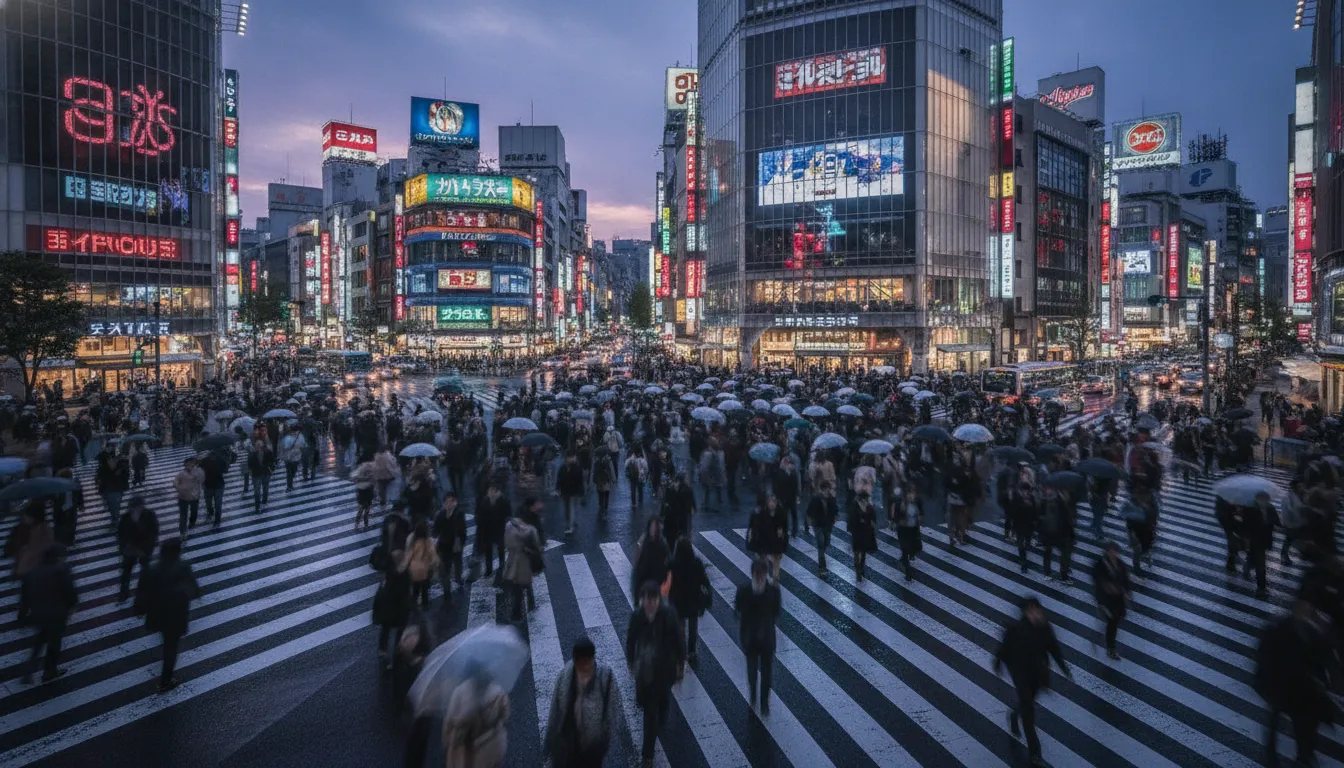
Shibuya is synonymous with modern Tokyo. The scramble crossing outside Shibuya Station is one of the world's busiest pedestrian intersections, where thousands of people cross in every direction at once. The surrounding streets are packed with fashion boutiques, department stores, and entertainment complexes aimed at a young, trend-conscious crowd. Shibuya is also a major transit hub, with the JR Yamanote Line and several subway lines connecting it to the rest of the city.
Beyond the crossing, the neighborhood offers a mix of shopping, dining, and nightlife. The area around Center Gai is dense with bars, karaoke boxes, and casual eateries, while the quieter backstreets reward wandering. For many first-timers, Shibuya is a must-see for its energy and photo opportunities, but it can feel overwhelming during peak hours.
Shinjuku: Skyscrapers, Nightlife, and Transit
Shinjuku is Tokyo's administrative and commercial heart, home to the world's busiest railway station. The area is divided into distinct zones: the west side features a cluster of skyscrapers, including the Tokyo Metropolitan Government Building, which offers free observation decks with panoramic views. The east side, around Kabukicho, is a famous entertainment district known for its neon-lit streets, bars, and restaurants.
Shinjuku is also a shopper's paradise, with large department stores and electronics retailers near the station. The neighborhood's sheer scale can be daunting, but its excellent transit connections make it a convenient base for exploring the city. At night, the area buzzes with activity, from izakayas to host clubs, though visitors should be mindful of touts in certain areas.
Asakusa: Traditional Tokyo and Temple Culture
Asakusa offers a glimpse of old Tokyo. The centerpiece is Senso-ji, the city's oldest temple, which draws crowds to its iconic Kaminarimon gate and Nakamise shopping street. The surrounding streets retain a traditional atmosphere, with low-rise buildings, craft shops, and street food stalls selling senbei and ningyo-yaki.
Asakusa is also the departure point for Sumida River cruises and is within walking distance of Tokyo Skytree, the city's tallest structure. The area is generally quieter at night, making it a good choice for families or those seeking a more relaxed pace. For first-timers, Asakusa provides a necessary contrast to the city's modern districts and is easily combined with a visit to nearby Ueno.
Ginza: Luxury Shopping and Refined Dining
Ginza is Tokyo's most upscale shopping and dining district. The streets are lined with flagship stores of international luxury brands, high-end department stores, and art galleries. On weekends, the main street (Chuo-dori) becomes a pedestrian zone, allowing visitors to stroll freely.
Ginza is also known for its sushi restaurants, many of which are located in the backstreets and can be expensive. The area is home to the Kabukiza Theatre, which hosts traditional kabuki performances. Ginza is well-connected by subway and is a short walk from Tokyo Station and the Imperial Palace. It appeals to visitors interested in fashion, architecture, and fine dining, though budget travelers may find it less accessible.
How to Prioritize
With limited time, the choice depends on your interests. If you want to experience contemporary Tokyo's energy, prioritize Shibuya and Shinjuku. Shibuya is ideal for a half-day of shopping and people-watching, while Shinjuku offers observation decks, nightlife, and easy transit. For traditional culture and a slower pace, Asakusa is essential, especially if you plan to visit Senso-ji early in the morning to avoid crowds. Ginza suits those with an interest in luxury goods, architecture, or high-end dining, and can be combined with a visit to the Imperial Palace.
A practical approach is to group neighborhoods by location: Shibuya and Shinjuku are on the west side and connected by the JR Yamanote Line, while Asakusa and Ginza are on the east side. Many first-timers spend one day in the west and one in the east, allowing time to absorb each area's distinct atmosphere. Ultimately, Tokyo rewards curiosity, and even a short visit can offer a taste of its many faces.